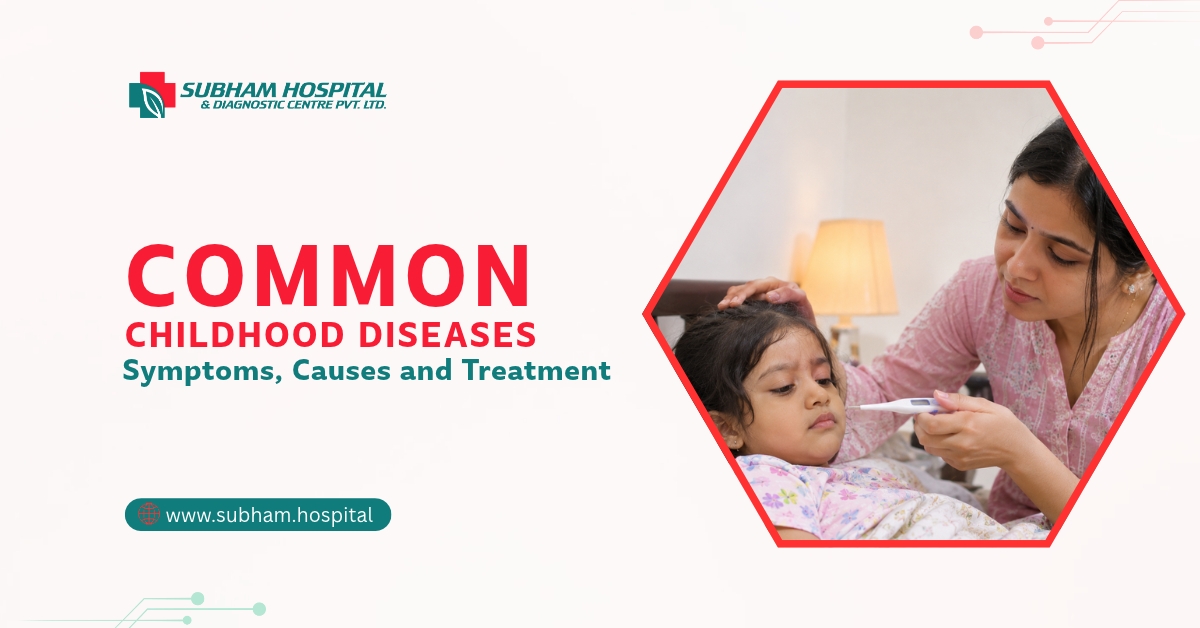

During childhood, the immune system of the child is still in the development phase. They may contract several diseases, be it the common cold, pneumonia, or dengue. For parents living in Siliguri, it is important to know the causes, symptoms, and treatment because Siliguri has a distinct climate. If you feel the need to visit a paediatrician in Siliguri and get it treated, you must do so without delay.
This blog discusses some of the most commonly occurring diseases among children, their symptoms, causes, and available treatment approaches.
1. Common cold
The common cold among children is an upper respiratory infection that usually dies down on its own within 1-2 weeks. It is a contagious viral infection. Common symptoms include:
- Runny or stuffy nose (mucus may start clear but turn yellow or green and thick)
- Sneezing and coughing
- Mild sore throat or tickle in the throat
- Low-grade fever, tiredness, or loss of appetite
- In babies - irritability, increased drooling, or trouble feeding due to congestion.
Causes may include
- Developing immunity– In young children, the immune system keeps on building defences because they haven’t been exposed to viruses. Children under 6 may get 6 to 8 colds a year.
- Close group contact– A child may get exposure to someone with a cold in daycares, schools, and from siblings.
Treatments
- Home remedies– Parents can keep the children hydrated through water, broths or some other fluids. This helps in replacing the water lost due to a runny nose. Alternatively, saline nasal drops or sprays can also be given to the child along with plenty of rest.
- Medication– A paediatrician may prescribe cough and cold medicines or fever and pain reducers for the child.
2. Hand, Foot and Mouth disease
It is a common viral infection that affects infants and children below the age of 5 years. Generally, it is mild but can cause considerable discomfort, especially when there are mouth sores, which make it difficult to eat or drink.
Symptoms include
- Early signs–Low-grade fever, sore throat, reduced appetite
- Mouth Sores– Painful, red spots or blisters inside the mouth, tongue, and throat that can make swallowing difficult.
- Skin rash– Red spots or tiny blisters on the hands that are slightly raised. These can be present on the palms of the hands, soles of the feet, and sometimes buttocks or legs.
Causes
- This disease is commonly caused by Coxsackievirus A16 and other enteroviruses. It may also spread through contact with the saliva of an infected person, respiratory secretions, blister fluid, or stool. Additionally, it can spread through contaminated surfaces.
Treatment
- At-home care– This includes rehydrating the child’s body at regular intervals, reducing the fever and pain, offering soothing foods like popsicles, yogurt, cold liquids, and caring for skin blisters.
- Medications– Parents have to make sure that the child receives the medicines prescribed by the doctor.
3. Chicken pox
It is a highly contagious viral infection in children caused by the varicella-zoster virus. It is easily recognised by the presence of fluid-filled blisters before they dry out and become scabs.
Symptoms include
- Fever
- Tiredness
- Loss of appetite
- Itchy red skin rashes
- Fluid-filled blisters
- General discomfort
Causes
- Airborne droplets – When an infected person coughs or sneezes, tiny virus-containing droplets float into the air and can be breathed in by nearby children.
- Direct contact– If the child touches the fluid-filled blisters or the saliva or mucus of someone who has chickenpox.
- Shared spaces– The virus spreads rapidly in close environments like schools, daycares, or households.
Treatment
- Fever and pain– Parents must ensure that the child takes the medicines prescribed by the doctor.
- Itch Relief– You can apply a lotion or cream to the child that reduces their itch.
- Prevent scratching – Make sure your child does not scratch the blisters.
5. Diarrhoea and Gastroenteritis
Gastroenteritis refers to the inflammation of the stomach and intestines, which may cause diarrhoea, vomiting, and abdominal discomfort.
Symptoms
- Frequent loose or watery stools
- Vomiting
- Abdominal pain or cramps
- Mild fever
- Loss of appetite
- Weakness
- Signs that the body is dehydrated, such as reduced urination or dry mouth
Causes
Viral infections
- Rotavirus– It causes acute watery diarrhoea and dehydration in infants and young children.
- Norovirus– It is one of the major causes of sudden vomiting and diarrhoea outbreaks in homes, schools, and communities.
Bacterial Infections
- Common bacteria– Salmonella and E. coli, often spread through undercooked or improperly stored food and contaminated water. They cause high fever or blood and mucus in the stool.
- Foodborne toxins– Some bacteria like Staphylococcus aureus or Bacillus cereus can produce toxins in improperly stored food, thereby causing vomiting and diarrhoea.
Non-infectious causes
- Medications– Antibiotics can disrupt the healthy gut bacteria and trigger diarrhoea.
- Food allergies– Children who are lactose intolerant or have cow’s milk protein allergy can suffer from loose stools.
Treatment
- Rehydration– This has to be the top priority when your child is suffering from diarrhoea. For this, ORS can be given at regular intervals. In case there is severe dehydration and the doctor prescribes it, then an IV drip can also be given.
- Nutrition– You should ensure that the child is eating regularly.
- Medications– Provide the medicines that have been prescribed by the doctor.
Conclusion
Childhood diseases are normal when the child is growing up. Understanding the symptoms, causes, and treatment options can make a significant difference in managing such conditions. Parents should pay attention to any unusual symptoms. If you observe any such symptoms or if you feel that you need to consult a paediatrician in Siliguri, you must do so.
Most importantly, parents should remember that every child is different. Atreatment based on the child’s age, symptoms, and health history is always the safest approach.
FAQs:
1. What are the most common childhood diseases?
The most common childhood diseases include the common cold, influenza, chickenpox, hand, foot and mouth disease, diarrhoea, ear infections, pneumonia, asthma, dengue, etc. Parents should watch out for symptoms like fever, cough, vomiting, etc., and consult a doctor for treatment.
2. Are childhood diseases contagious?
Yes, many childhood diseases are contagious; that is, they can spread from an infected person to others through different modes of transmission. Diseases like chickenpox, the common cold, and influenza can spread through respiratory droplets, direct physical contact, or contact with contaminated surfaces.
3. Do all childhood infections require antibiotics?
No, not all childhood infections require antibiotics. Antibiotics are required to treat bacterial infections like pneumonia, ear infections, and urinary tract infections. However, most childhood diseases like the common cold, chickenpox, etc., are caused by viruses, and antibiotics are ineffective in treating viral infections.
4. How often should children visit a paediatrician?
Children should visit a paediatrician regularly to monitor their growth, development, and overall health. The periodicity of the visit depends on the age of the child, medical history, and individual healthcare needs. If your child is an infant, they may require more frequent check-ups in their first year. As your child grows, these visits may become less frequent.
5. What are the early warning signs of illness in children?
Some common warning signs of illness in children include fever, cough, sneezing, runny nose, sore throat, loss of appetite, vomiting, diarrhoea, skin rashes, and unusual fatigue. These symptoms may vary depending on the age, the type of disease that the child is suffering from, their medical history, and other factors.